
Have Streaming Platforms Kissed Goodbye to the Rom-Com Era?
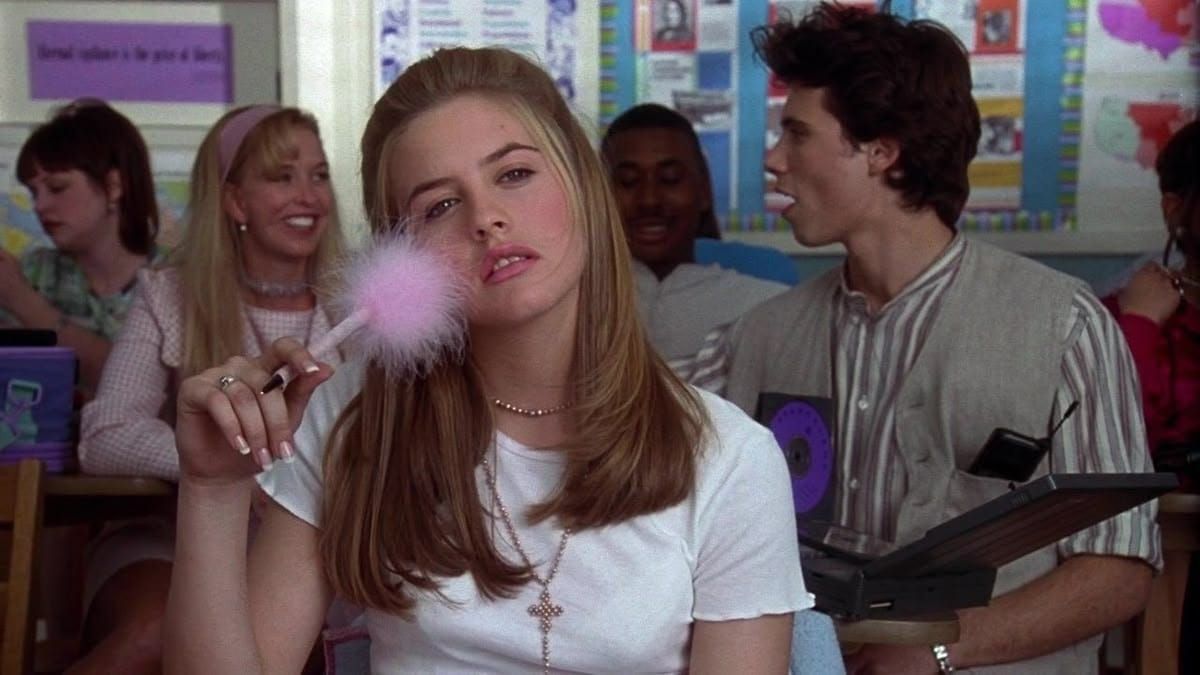
In her latest opinion piece, Lilia dives into the curious world of streaming platforms and asks a rather juicy question: "Are we diluting film storytelling?" Looking through the lens of the beloved rom-com, she explores what happens when charm, risk, messiness and heart get polished into something a little too predictable.

Lilia loves creating content with humour, heart and rather spectacular aesthetics.
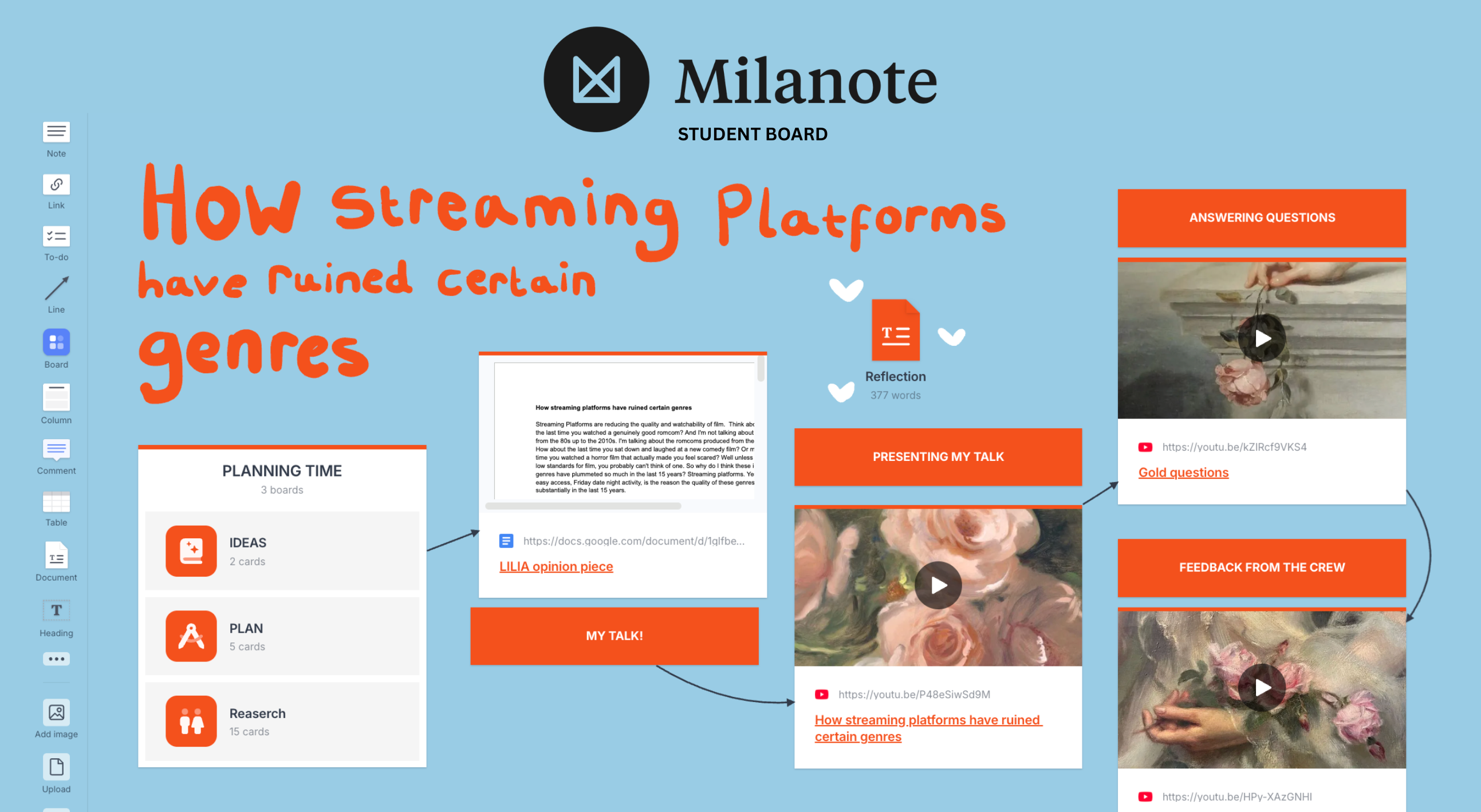
How streaming platforms have ruined certain genres
Ever finished a new film and felt disappointed that it wasn't as good your fav Romcom from 15+ years ago? Then you should definitely have a read of this fantastic opinion piece written by our student Lilia!
Streaming platforms are reducing the quality and watchability of film.
Think about it - when was the last time you watched a genuinely good romcom? And I’m not talking about the iconic ones from the ’80s up to the 2010s. I’m talking about the romcoms produced in the last 15 years. How about the last time you sat down and laughed at a new comedy film? Or maybe the last time you watched a horror film that actually made you feel scared?
Well, unless you have really low standards for film, you probably can’t think of one.
So why do I think these iconic movie genres have plummeted so much in the last 15 years?
Streaming platforms.
Yes, our harmless, easy-access, Friday date-night activity is, in my opinion, one of the reasons the quality of these genres has dropped substantially.
Streaming platforms were first introduced in 1992 with the creation of StarWorks by Xing Technology. However, this platform was created for corporate networks rather than the general public. Streaming services only really became popular outside of the corporate world when Netflix switched from a DVD mailing service to an online streaming platform in 2007.
If you are a regular user of Netflix, which I’m sure most of you are, then you will know the struggle of finding a movie to watch that doesn’t make you feel like you’re wasting your time. Out of the more than 5,000 movies available on Netflix, only around 200 have actually been nominated for major global award ceremonies. Meaning the greater part of Netflix’s catalogue consists of mainstream, filler or algorithm-optimised content. In other words: quantity over quality.
Furthermore, out of those thousands of titles, a huge proportion are romantic comedies, action comedies, horror films and holiday dramas. The sheer quantity of these genres has lowered the quality, excitement and space for more original stories.
For my argument, I’m mainly going to focus on the romantic comedy genre, as it’s the one I feel most passionate about.
Nowadays, streaming platforms seem to use the same five stories over and over again because… well, it works. It’s proven that people like these stories, so why change them?
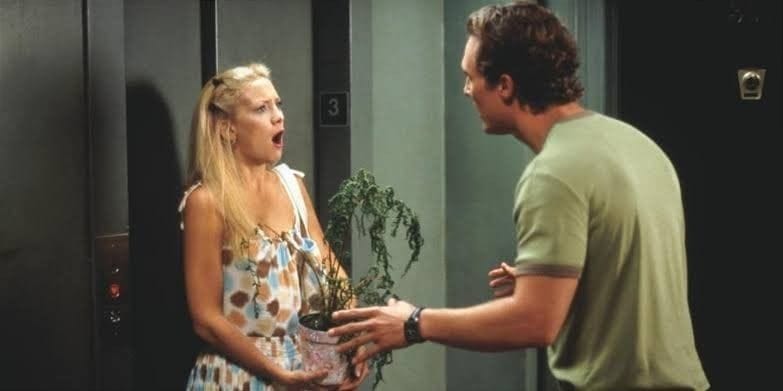
I don’t know about you, but after watching what feels like 50 different versions of Mean Girls, I’m craving some new original stories.
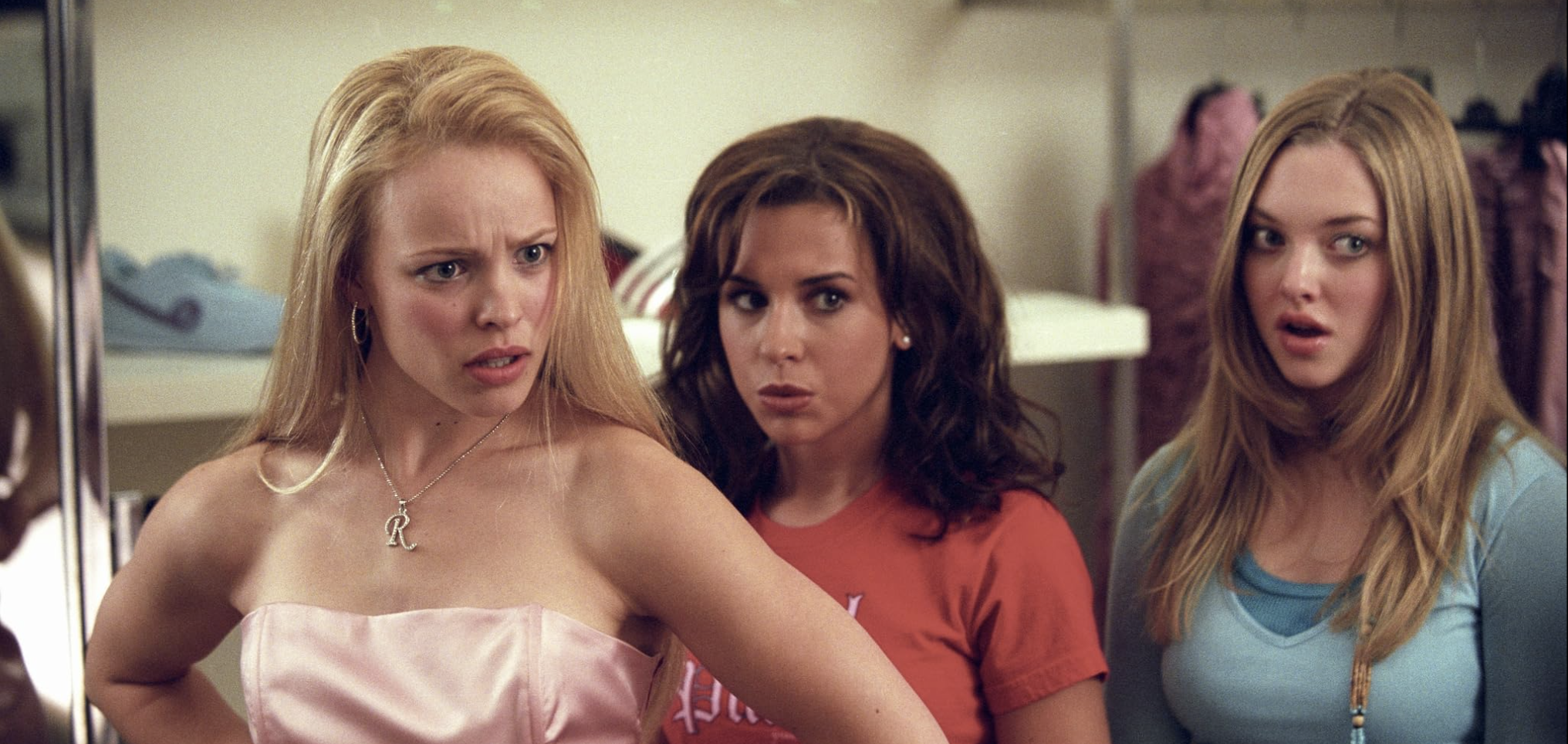
Take a look at some of the top romcoms from the 2000s:
- How to Lose a Guy in 10 Days
- 27 Dresses
- The Proposal
- 13 Going on 30
- Clueless
- The Holiday
- Legally Blonde
All genuinely iconic films.
Now compare that to some recent releases from 2024:
- A Family Affair
- Nobody Wants This
- Our Little Secret
- Irish Wish
- Find Me Falling
When you watch one of the films from the 2000s, they make you feel warm and happy. They are films you watch over and over again and somehow still get the same amount of joy every single time. Compared to some newer releases, which honestly just make you cringe and want to throw up. They are not the type of films you’re still going to love in 20 years. They feel more like a one-time stimulant than something truly memorable.
There are definitely people out there who will see my opinion as snobbery. And honestly, I get it.
Sometimes you just want to sit down after a long day and watch something light. Being able to access endless content at the click of a button sounds amazing. However, we have to think about what this is affecting long term. You might have noticed that I’ve referred to older films as iconic quite a few times, and you may be wondering:
Lilia, what actually makes these movies iconic? What do these old films have that newer ones don’t?
Well, I believe an iconic movie is one that leaves a mark on the audience. A film we watch again and again. One that has emotional impact and moments or quotes people remember and repeat.
It affects us long after the film has ended and seeps into everyday life. Think about the “You’re So Vain” rendition at the end of How to Lose a Guy in 10 Days, or “Nobody puts Baby in the corner” from Dirty Dancing.
Or if I say:
“Get in loser, we’re going shopping.”
You instantly know I’m quoting Mean Girls.
I wasn’t even born when some of these films came out, yet they are still watched every Christmas and constantly trend on social media. You only have to look at how many of these films have been adapted into musicals to see that audiences simply can’t get enough of these characters and worlds.
And yes, I’m sure a lot of you will argue:
“Well, if they are so iconic, then why bother making new films? Why not just keep the old ones?”
Because things come to an end, no matter how iconic they are. These movies are not going to relate to every generation forever. Each generation deserves films that speak to its own time.
Now, I’m not here to completely badmouth streaming platforms. As someone keen to enter the industry, I appreciate the opportunities that content creation brings. And many people would argue: Who wants their industry to slow down? Isn’t endless filmmaking a great thing for filmmakers, actors and everyone else?
Well… yes.
But sometimes, more is less.
Take Apple TV’s approach to streaming, for example. They create a smaller quantity of original content, but often at a much higher standard. You can see this in the awards, critical praise and social engagement around shows like Ted Lasso, Lessons in Chemistry and Shrinking - all stories centred around love, relationships, kindness and comedy.
These shows are highly anticipated, rewatched, quoted and discussed. They say something meaningful about the world we live in and often encourage us to be better versions of ourselves.
And unlike Netflix’s drive to release over 700 films and shows a year, Apple averages around 50.
You may still argue:
“We just need to give newer films time. They’ll become iconic when they get older.”
But that’s exactly the problem. As brand-new releases, many of these films are not capturing audiences in the same way. They are not creating the level of emotional connection needed to make people rewatch them, quote them or remember them years later. In fact, many are not even attracting strong audiences the first time around. According to Netflix data summaries, the platform now releases more than 700 new titles every year. By July 2023, Netflix Originals made up 55% of Netflix’s US library - that’s 3,657 originals out of 6,621 total titles. However, while the amount of content created by Netflix rose enormously between 2020 and 2024, viewership percentages actually dropped significantly.
Sounds like I’m not the only one struggling to love the newer content.
You might still say:
“If the old films are so iconic, why not just keep rewatching those?”
And yes - I absolutely will.
But each generation deserves films that feel like their films. Stories that reflect their humour, their
culture, their fears, relationships and way of seeing the world. We deserve new classics.
So how do we move forward?
Personally, I think streaming platforms should place more limits on how much content they produce in-house. Instead of constantly knocking out fast, cheap productions, there should be more incentives to invest in films made by emerging directors, writers and talent.
Not only would this financially support more creatives rather than just shareholders, but it would also help release a whole new generation of artists willing to dig deep and create meaningful, moving stories with genuine creative brilliance.
And honestly - why not use these giant platforms, with their huge built-in audiences, to push film even further?
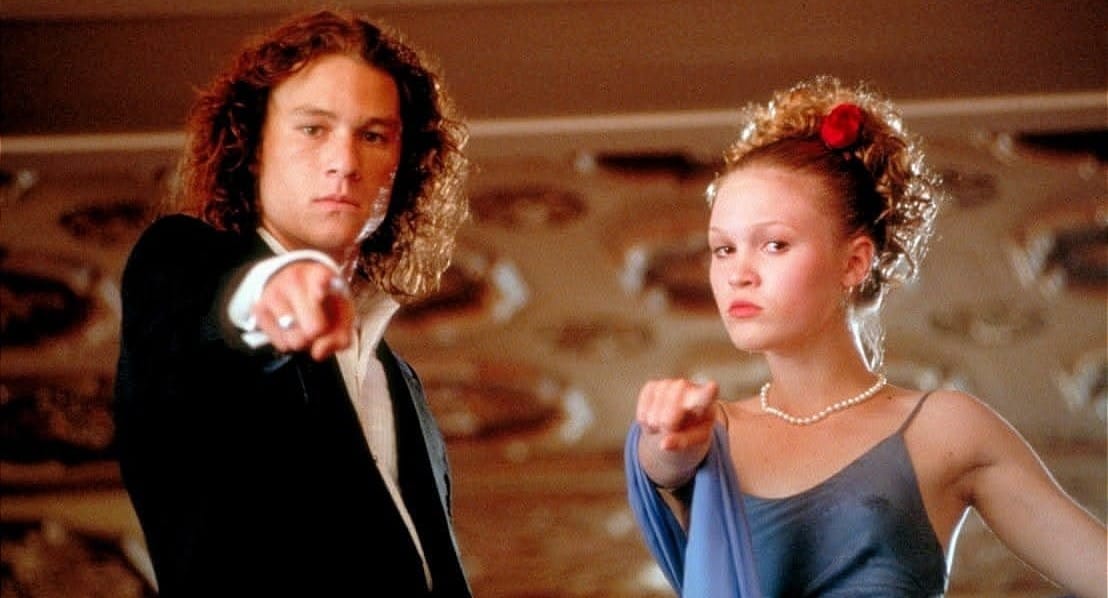
Do we really want future generations to miss out on the love we all felt for movies? Because if we’re not careful, we risk leaving them with trashy, disposable content instead of heartwarming, life-changing films.
That would be a real shame!
by Lilia - Gold Award Diploma